

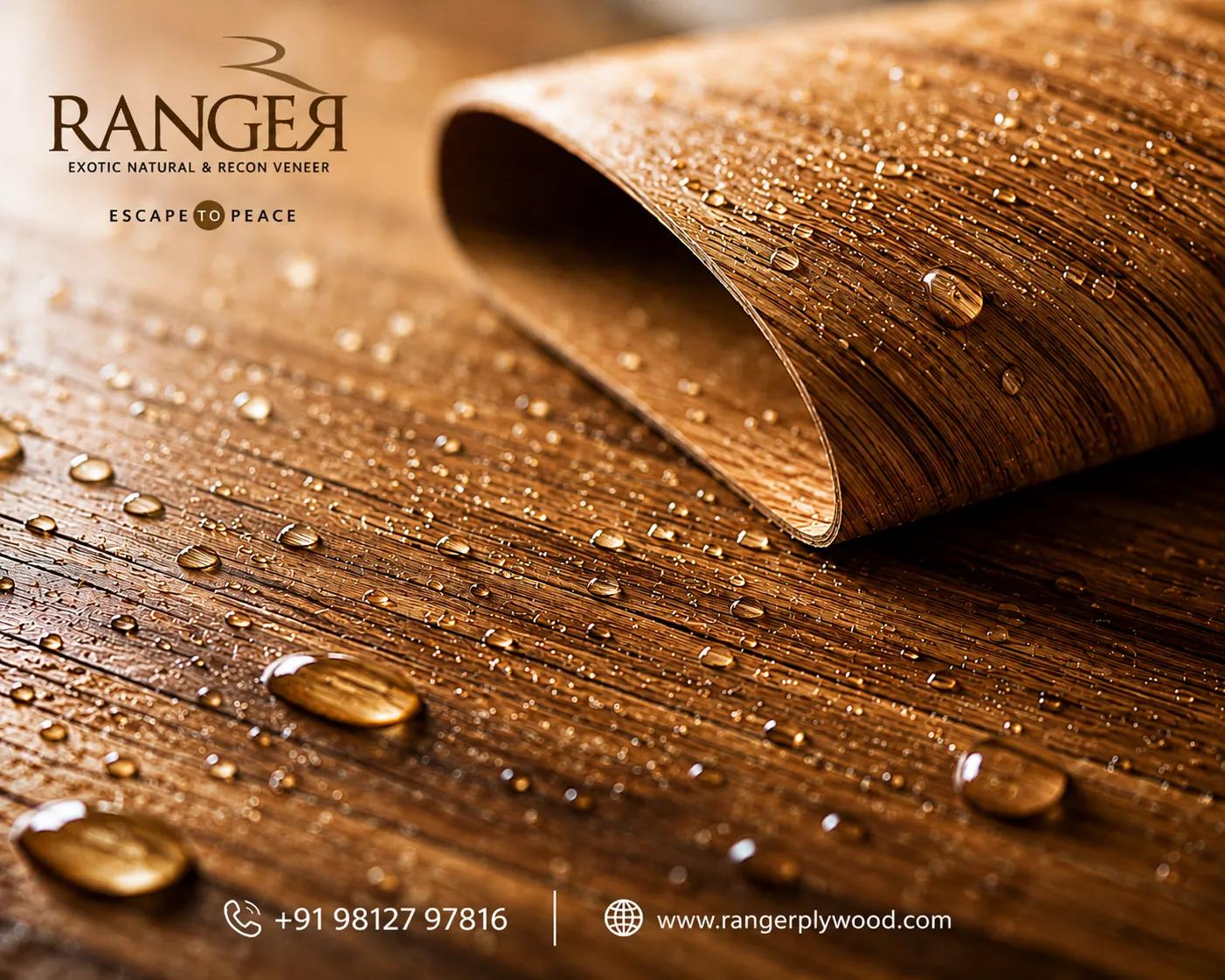
✦ Exotic Veneers. Timeless Beauty. ✦
Wood veneer sheets are a cornerstone of modern interior design and furniture making, offering the timeless beauty of natural wood without the weight, cost, or environmental impact of solid timber. A wood veneer sheet is essentially a thin layer of real wood—typically 0.5 mm to 3 mm thick—sliced or peeled from logs and bonded to a stable substrate like plywood, MDF, or blockboard .
This guide explores everything you need to know about wood veneer sheets, from how they are made to the different types available and their ideal applications.
1. What Are Wood Veneer Sheets?
At its core, a wood veneer sheet is a thin decorative layer of genuine wood. It is applied over a base material to give the appearance of solid wood while offering greater stability, flexibility, and cost-efficiency .
The process involves carefully cutting logs into thin layers, drying them, and then adhering them to a stable backing with high-quality adhesives. This approach ensures a smooth finish while the base board provides structural strength . Because each sheet comes from real wood, every piece has a unique grain pattern, giving furniture and panels a distinctive personality .
2. The Manufacturing Process
The creation of wood veneer sheets is a precise process that requires careful control of moisture and cutting techniques.
Log Preparation: Logs are first debarked and cut into sections called flitches. The moisture content must be kept at or above the fiber saturation point (around 25-35%, varying by wood type) to prevent shrinkage and ensure clean cuts . In industrial settings, this is often achieved by keeping the wood in high-humidity environments or by spraying it with water .
Cutting Techniques: There are two primary methods for cutting veneer:
Rotary Cutting: The log is mounted on a lathe and rotated against a blade, peeling off a continuous sheet of veneer like unwinding paper from a roll. This method produces wide sheets with a prominent, open grain pattern .
Slicing: The flitch is secured and a blade slices off thin layers in a linear motion. This technique preserves the natural grain pattern more faithfully and is often used for decorative and high-quality veneers .
Drying and Flattening: Freshly cut veneer sheets have high moisture content and can become wavy. They are dried in controlled conditions, often using a combination of hot and cold presses to flatten the sheets for precise bonding later .
Bonding to Substrate: The dried veneer is then glued onto a substrate like plywood or MDF using specialized adhesives. Many modern adhesives are moisture-curing, meaning they react with water to develop a strong bond . The adhesive can also be dyed or pigmented to add shading or create distinct lines at the joints .
3. Types of Wood Veneer Sheets
Understanding the different types of veneer is essential for choosing the right material for your project.
Natural Wood Veneer
Natural wood veneer is sliced directly from logs of trees like oak, walnut, teak, or maple. Each sheet is unique, retaining the natural grain, pores, color variation, and texture of the wood . It offers unmatched authenticity and warmth, making it ideal for high-end furniture, feature walls, and statement pieces where wood is the focal point .
Ranger Plywood offers a range of premium natural wood veneers, including teak and fluted options, reflecting a commitment to sourcing from the finest forests. This approach appeals to designers seeking material authenticity and a connection to nature .
Engineered (Reconstituted) Veneer
Engineered veneer is manufactured from fast-growing trees. The wood is dyed, layered, and sliced to create uniform grain patterns and consistent color. This process offers enhanced design flexibility and sustainability, as it makes efficient use of timber resources .
Engineered veneers are an excellent choice for large-scale projects requiring consistency, such as wall panels, ceilings, and expansive furniture surfaces . For instance, Ranger’s Recon Veneers provide a sustainable, design-flexible solution that replicates the beauty of natural wood while promoting responsible forestry .
Decorative and Specialized Veneers
This category includes veneers that undergo additional treatment for aesthetic enhancement.
Smoked Veneer: Heat-treated to deepen the wood's color, creating a rich, luxurious look .
Dyed Veneer: Tinted to achieve a wide range of colors, expanding design possibilities beyond natural tones .
Fluted Veneer: Features a ribbed or grooved surface, adding texture and a three-dimensional effect to interiors .
Textured Veneer: Achieved through techniques like wire brushing or open-grain finishing. Textured surfaces add tactile richness and visual depth, engaging the sense of touch and creating a more immersive experience . This is a growing trend in luxury interiors, where texture is as valued as aesthetics .
4. Applications and Design Impact
Wood veneer sheets are incredibly versatile and can be used in numerous interior applications:
Furniture: Wardrobe shutters, cabinet fronts, desks, and table tops .
Wall Paneling: Living room accent walls, headboards, and feature panels .
Architectural Details: Ceiling panels, decorative doors, and office cabins .
The choice of veneer can significantly impact the perception of a space. For example, vertical grain patterns can make a room feel taller, while horizontal patterns can make it feel wider. Book-matching—aligning grain patterns across multiple panels—creates a balanced, elegant look suitable for statement walls .
For designers and homeowners alike, the natural grain patterns, warm shades, and tactile surfaces of wood veneer offer a depth and personality that no paint or synthetic laminate can match .
5. Important Considerations
Where to Use: Wood veneer is best suited for indoor projects with controlled humidity. While it can be used in kitchens, it is essential to use a moisture-resistant substrate like BWP (Boiling Water Proof) plywood and ensure the veneer is properly sealed . It is generally not recommended for areas with direct and prolonged water exposure unless specifically treated.
Sustainability: Decorative veneers are a more eco-friendly alternative to solid wood. One log can produce much more surface area as veneer than it could as timber, making it a responsible choice for beautiful interiors .
Conclusion
Wood veneer sheets are an ingenious solution that bridges the gap between nature's raw beauty and modern design demands. Whether you choose the unique character of natural veneer, the uniformity of engineered options, or the tactile luxury of fluted or textured finishes, veneer offers a sophisticated, sustainable, and versatile way to elevate any interior space.